
Common Appliance Problems in Framingham Homes
When a washing machine starts leaking in a basement laundry room of an older Framingham single-family home, it usually doesn't announce itself politely. Water pools behind the unit, seeps toward the foundation wall, and by the time anyone notices, the damage has spread. That kind of problem moves fast in a house with aging drain lines and limited floor drainage — and it's one of the most common calls we see across the city's mixed housing stock.
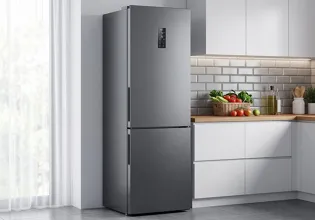
- Refrigerators that stop cooling often have a failed evaporator fan or a condenser coil caked with dust — especially in kitchens with tight cabinet clearance where airflow gets choked off.
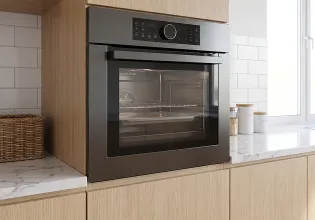
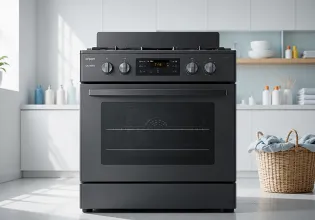
- Gas ovens and stoves that won't heat properly: usually an igniter wearing out, though in older homes we sometimes find a gas shutoff valve behind the range that's partially closed and easy to miss.
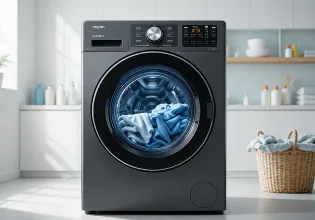
- Washers that won't drain tend to have a clogged pump filter, but in multifamily properties with shared plumbing stacks, a slow drain can also point to a backup further down the line.
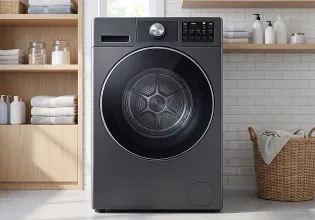
- Dryers running hot but taking forever to dry — almost always a venting issue. Long vent runs routed through basement walls or up through two stories of house are common in Framingham.
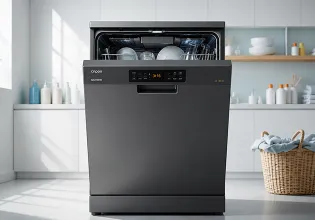
- Dishwashers leaving dishes dirty or standing water in the tub after a cycle. Often the cause is a worn wash motor or a check valve that's stuck.
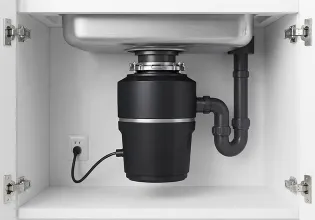
- Garbage disposals that jam or hum without spinning — usually a foreign object or a seized flywheel.
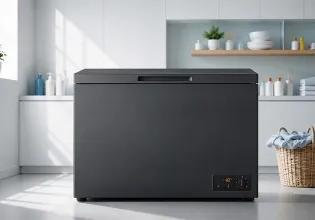
- Freezers building up heavy frost or warming into unsafe temperature ranges, which can mean a failed defrost timer or a door gasket that no longer seals.
Local Utility, Permit, Safety, and Disposal Factors in Framingham
If a gas stove needs to be replaced in your Framingham kitchen, the installer has to pull a gas permit through the Framingham Inspectional Services Division before the work begins. Framingham requires separate electrical, gas, and plumbing permits for appliance installation or replacement — so swapping out a gas dryer, for example, could involve both a gas permit and an electrical permit depending on the wiring. Licensed contractors must pull these permits themselves, and the city sends an inspector out after the work is completed. What that means for you: before anyone disconnects your old range or hooks up a new one, ask whether the permit has been filed. If the answer is vague, pause.
Under the Massachusetts State Plumbing and Gas Fitting Code, only a licensed gas fitter can connect or disconnect gas appliances anywhere in the state. Massachusetts law prohibits unlicensed individuals from performing that work on residential appliances, full stop. Plumbing connections for dishwashers, washing machines, and garbage disposals also have to comply with state standards. So if you're having a new dishwasher installed and the plumber mentions pulling a permit, that's the right process — not an upsell.
Framingham's water comes through the Massachusetts Water Resources Authority water service system, sourced from the Quabbin and Wachusett reservoirs. The mineral content in MWRA-supplied water can gradually affect how well your dishwasher cleans, how quickly scale builds inside a washing machine's inlet valve, and how often you need to replace a refrigerator's water filter. If your dishwasher spray arms seem clogged or your ice maker slows down, mineral buildup is worth checking before replacing parts.
Dryer fires and carbon monoxide leaks are two hazards the Framingham Fire Department fire prevention guidance addresses directly. The department enforces the Massachusetts State Fire Code, which requires carbon monoxide detectors in every Framingham residence that has a gas stove, gas oven, gas dryer, or an attached garage. If your CO detector goes off after you start the oven, don't assume it's a false alarm — the Fire Department responds to gas leak calls and coordinates with utility providers. Improper dryer venting is one of the most common residential fire hazards they see. Check your vent termination outside the house at least once a year; if lint is piling up around the flap, the run may be partially blocked.
You can't put a dead refrigerator at the curb on trash day in Framingham. Large appliances — refrigerators, freezers, washers, dryers, dishwashers — are classified as bulky items and require a scheduled special collection through the Framingham Department of Public Works bulky item disposal program. You need to call ahead and arrange a pickup date. Refrigerators and freezers that still contain refrigerants have to be properly handled under EPA Section 608 rules before disposal, so this isn't something you can shortcut.
Inspectional Services Division
150 Concord Street
Framingham, MA 01702
Phone: (508) 532-5490
Official Website
What Makes Appliance Repair in Framingham Different
Framingham sits in a middle ground that most MetroWest suburbs don't share. The housing stock ranges from older homes in Saxonville and Framingham Centre — where you might find a gas line running to a stove through an unfinished basement ceiling with barely any clearance — to newer condos and apartment complexes near Downtown where the challenge is getting a full-size refrigerator through a narrow hallway and past a tight kitchen turn. The city requires separate permits for gas, electrical, and plumbing work on appliances, and inspections follow. That's a more structured process than what homeowners encounter in some neighboring towns, and it means a repair that avoids replacement can save you not just money but the time and paperwork of going through the permitting cycle.
The disposal side is equally specific. Because Framingham uses a scheduled special collection model for large appliances rather than curbside pickup or a transfer station drop-off, deciding to replace a broken washer or dryer means coordinating with the DPW on timing — not just buying a new unit and hauling the old one out. That extra step makes it worth getting a real diagnosis before you commit to replacement. A compressor that sounds like it's failing might just need a relay. A dryer that overheats might only need a new thermal fuse and a vent cleaning. Knowing the difference keeps a working appliance out of the bulky-item queue.
Appliance Replacement and Household Equipment Considerations in Framingham
When repair no longer makes sense — the compressor is gone on a fifteen-year-old refrigerator, or the drum bearing on a dryer has seized — the next steps in Framingham involve more than picking out a new model. Start with disposal: you'll need to schedule the old unit's removal in advance through the DPW's solid waste and recycling program. If the appliance contains refrigerants, like a fridge or a chest freezer, those have to be recovered by a certified technician before the city will collect it. Don't wait until delivery day to figure this out.
For gas appliances — stoves, ovens, gas dryers — the installer needs to pull a gas permit through the Inspectional Services Division at 150 Concord Street before connecting anything. The city will schedule an inspection after the work is done. If you're switching from electric to gas (or the reverse), expect additional electrical permit requirements. Ask your installer to confirm what permits are needed before the appointment, and verify that they hold the proper Massachusetts gas fitting license.
Water-connected appliances like dishwashers and washing machines tie into Framingham's MWRA-supplied water system. When a new dishwasher goes in, the plumbing connection has to meet state code. If the old supply valve under the sink is corroded or stuck — common in homes built before the 1980s — that valve should be replaced at the same time. It's a small cost during installation but a potential flood if it fails later.
Framingham residents are also protected under Massachusetts Consumer Protection Law Chapter 93A, which prohibits unfair or deceptive practices in appliance repair and installation services. If you're quoted one price and billed another, or if a technician misrepresents what's wrong with your appliance, you have the right to file a complaint with the Attorney General's office.
Department of Public Works – Solid Waste and Recycling
150 Concord Street
Framingham, MA 01702
Phone: (508) 532-6000
Official Website
Areas We Serve Throughout Framingham
We handle appliance repair calls across every part of Framingham. Here's what we typically see in each area:
- Framingham Centre — Many older single-family homes here have basement laundry setups with washer drain hoses feeding into aging standpipes. Worth checking the standpipe height before assuming the washer pump is bad.
- Downtown Framingham — Apartment buildings and multifamily properties mean tighter kitchens and shared gas risers. Getting a full-size range through a narrow hallway usually requires removing the door from its hinges first.
- Saxonville — Some of the oldest housing stock in the city. We often find gas shutoff valves behind stoves that haven't been turned in decades — corroded and hard to operate, which matters if you ever smell gas.
- Nobscot — Mostly single-family homes with longer dryer vent runs routed up through the roof. If your dryer takes two cycles to dry a load, the vent length is the first thing to check.
- Edgell Grove — A mix of condos and older homes. Condo owners sometimes need building management approval before scheduling appliance work that involves gas or electrical permits.
- Stapleton — Postwar single-family homes where the original kitchen layout often puts the refrigerator in a tight alcove with limited ventilation behind the unit. Condenser coils overheat faster in that setup.
- Nevins — Multifamily properties here frequently have stacked washer-dryer units in closets with minimal clearance. Lint buildup behind the dryer is easy to miss and a real fire risk.
- Potter Road — Larger homes with finished basements that sometimes have a second refrigerator or standalone freezer. Those units tend to get forgotten until the food thaws.
- Woodrow Wilson — Mixed housing with some older electrical panels that may not support a modern high-draw appliance without a circuit upgrade. Ask about breaker capacity before installing a new electric range.